
 In the framework of the Central Asia Education Platform (CAEP) Phase II, a final CAEP Regional Conference entitled “Strengthening education reforms and employability in Central Asia and the EU – The European Education Initiative (EEI) and the Central Asia Education
The effective financing of education systems and institutions was identified as a priority area for CAEP activities during the Second Meeting of Ministers for Education in Astana in 2017. Due to the intense on-going reforms in the education sector in
Innovative Teaching Methods was identified as a priority area for platform activities during the First Ministerial Meeting of Ministers for Education in Riga in 2015, and confirmed in the Astana Declaration during the Second Ministerial Meeting in 2017. The outcomes
Innovative Teaching Methods was identified as a priority area for platform activities during the First Ministerial Meeting of Ministers for Education in Riga in 2015, and confirmed in the Astana Declaration during the Second Ministerial Meeting in 2017. The outcomes
In the framework of the Central Asia Education Platform (CAEP) Phase II, a final CAEP Regional Conference entitled “Strengthening education reforms and employability in Central Asia and the EU – The European Education Initiative (EEI) and the Central Asia Education
The effective financing of education systems and institutions was identified as a priority area for CAEP activities during the Second Meeting of Ministers for Education in Astana in 2017. Due to the intense on-going reforms in the education sector in
Innovative Teaching Methods was identified as a priority area for platform activities during the First Ministerial Meeting of Ministers for Education in Riga in 2015, and confirmed in the Astana Declaration during the Second Ministerial Meeting in 2017. The outcomes
Innovative Teaching Methods was identified as a priority area for platform activities during the First Ministerial Meeting of Ministers for Education in Riga in 2015, and confirmed in the Astana Declaration during the Second Ministerial Meeting in 2017. The outcomes
 The aim of this working group is to enhance Central Asian countries’ capability and use of evidence for policy analysis and policy making in the fields of Vocational Education & Training and Higher Education, by addressing the following needs:Reinforcing monitoring
 The aim of this annual exhibition and conference is to promote the development of the education and sport sectors as key areas of state social policy in Turkmenistan, and to reflect current trends in these fields. The event is being
 For over 30 years, Europe has funded the Erasmus programme, which has enabled over three million European students to spend part of their studies in another higher education institution in Europe. In 2015, Erasmus+ opened up these opportunities to the
 At the Second Ministerial Meeting of Ministers for Education in Astana in June 2017, the role of education in preventing and countering violent extremism among youth was identified as a priority for EU cooperation in the field of education and
Following the 2nd Meeting of Ministers for Education of the Central Asia countries and the European Union in June 2017, which reaffirmed the commitment of Central Asia Ministers for Education to ensure inclusive and quality education for all and promote
In the First Ministerial Meeting of Ministers for Education in Riga in June 2015, Ministers agreed that enhanced cooperation with stakeholders, including social partners and enterprises, provide a significant contribution in the development of VET and HE alike. In this
The aim of this working group is to enhance Central Asian countries’ capability and use of evidence for policy analysis and policy making in the fields of VET and HE, by addressing the following needs:Reinforcing monitoring functions in Central Asian
At the Second Ministerial Meeting of Ministers for Education in Astana in June 2017, the role of education in preventing and countering violent extremism among youth was identified as a priority for EU cooperation in the field of education and
Following the 2nd Meeting of Ministers for Education of the Central Asia countries and the European Union in June 2017, which reaffirmed the commitment of Central Asia Ministers for Education to ensure inclusive and quality education for all and promote
In the First Ministerial Meeting of Ministers for Education in Riga in June 2015, Ministers agreed that enhanced cooperation with stakeholders, including social partners and enterprises, provide a significant contribution in the development of VET and HE alike. In this
The aim of this working group is to enhance Central Asian countries’ capability and use of evidence for policy analysis and policy making in the fields of VET and HE, by addressing the following needs:Reinforcing monitoring functions in Central Asian
 Under the umbrella of the Central Asia Education Platform (CAEP), a Regional Conference entitled “Enhancing cooperation between employers and education institutions in Higher Education and Vocational Education and Training in the European Union and Central Asia countries” will take place
The aim of the 2nd Conclusive Meeting is to strengthen EU-Central Asia and regional collaboration in Quality Assurance and Accreditation in HE and VET. It will be achieved by:sharing the progress of the national teams from the first meetingpresenting the
Under the umbrella of the Central Asia Education Platform (CAEP), a Regional Conference entitled “Enhancing cooperation between employers and education institutions in Higher Education and Vocational Education and Training in the European Union and Central Asia countries” will take place
The aim of the 2nd Conclusive Meeting is to strengthen EU-Central Asia and regional collaboration in Quality Assurance and Accreditation in HE and VET. It will be achieved by:sharing the progress of the national teams from the first meetingpresenting the
 The general aim of Peer Learning (PLA) within CAEP 2 is to contribute to shaping and supporting regional collaboration between the Central Asia countries, in order to accelerate national policy development and implementation as well as sharing best practice and
The aim of this working group is to enhance Central Asian countries’ capability and use of evidence for policy analysis and policy making in the fields of VET and HE, by addressing the following needs:
Reinforcing monitoring functions in Central
This National Meeting will consider three current topics for Uzbekistan and the region – NQF, quality assurance and accreditation. The aim of the meeting is to facilitate policy dialogue among government stakeholders, business community and education professionals of Uzbekistan and
A Regional Conference on NQF took place in Riga in April 2016, where high-ranking representatives from all five Central Asia countries, Latvia and Poland came together to share their good practice in developing all levels of National and Sectoral Qualification
The need for strengthening existing QA and accreditation systems to improve the quality of education both in HE and VET was identified in all CA countries. The aim of this meeting is to support the process of professionalisation and modernisation
The general aim of Peer Learning (PLA) within CAEP 2 is to contribute to shaping and supporting regional collaboration between the Central Asia countries, in order to accelerate national policy development and implementation as well as sharing best practice and
The aim of this working group is to enhance Central Asian countries’ capability and use of evidence for policy analysis and policy making in the fields of VET and HE, by addressing the following needs:
Reinforcing monitoring functions in Central
This National Meeting will consider three current topics for Uzbekistan and the region – NQF, quality assurance and accreditation. The aim of the meeting is to facilitate policy dialogue among government stakeholders, business community and education professionals of Uzbekistan and
A Regional Conference on NQF took place in Riga in April 2016, where high-ranking representatives from all five Central Asia countries, Latvia and Poland came together to share their good practice in developing all levels of National and Sectoral Qualification
The need for strengthening existing QA and accreditation systems to improve the quality of education both in HE and VET was identified in all CA countries. The aim of this meeting is to support the process of professionalisation and modernisation
 Ministers for Education from the EU and Central Asia will meet in Astana to reflect on the results of the activities carried out since 2015 and explore further steps in strengthening cooperation. During the Riga meeting in 2015 Ministers for
 The aim of the 2nd Peer Learning NQF meeting is to compare the steps adopted in CA and EU countries to promote awareness, institutional support and commitment on NQF by the policy making community, industry and the world of education:
CAEP is organizing a series of three Peer Learning events on NQF:1st meeting and Kick-off in Istanbul, February 20-21, 20172nd Meeting in Istanbul April 24-25, 20173rd Meeting Riga September 18-19, 2017Objectiveto facilitate a policy dialogue and knowledge exchange in the
Under the umbrella of the Central Asia Education Platform (CAEP), a Regional Conference entitled “Enhancing cooperation in Higher Education between Central Asia countries and the European Union” will take place in Cracow, November 16-18, 2016 Jagiellonian University, Krupnicza Street
The aim of the 2nd Peer Learning NQF meeting is to compare the steps adopted in CA and EU countries to promote awareness, institutional support and commitment on NQF by the policy making community, industry and the world of education:
CAEP is organizing a series of three Peer Learning events on NQF:1st meeting and Kick-off in Istanbul, February 20-21, 20172nd Meeting in Istanbul April 24-25, 20173rd Meeting Riga September 18-19, 2017Objectiveto facilitate a policy dialogue and knowledge exchange in the
Under the umbrella of the Central Asia Education Platform (CAEP), a Regional Conference entitled “Enhancing cooperation in Higher Education between Central Asia countries and the European Union” will take place in Cracow, November 16-18, 2016 Jagiellonian University, Krupnicza Street
 Based on the outcomes of the Riga Regional Conference on National Qualifications Framworks (NQF) in April 2016 and in line with the CAEP roadmap of activities, a series of one-day National Meetings on NQF will be held in all CA
 Based on the outcomes of the Riga Regional Conference on National Qualifications Framworks (NQF) in April 2016 and in line with the CAEP roadmap of activities, a series of one-day National Meetings on NQF will be held in all CA
Following the First Ministerial Meeting in Riga in June 2015, the members of the CAEP Steering Committee Meeting in Brussels in January 2016 endorsed a CAEP Work Plan until 2017/18, addressing the following themes:
Development of Qualification Frameworks and Standards
Hosted by the Latvian Presidency of the Council of the European Union, EU and Central Asian Ministers for Education and other high-level representatives from the EU Member States and Directorates-General from the European Commission and the European External Action Service
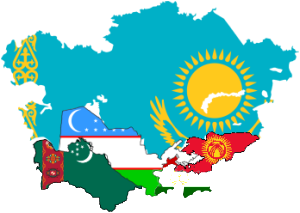
The Central Asian Education Platform (CAEP) was established in 2012 by the EU to promote policy dialogue supporting reforms in the education sector in Kazakhstan, Kyrgyzstan, Tajikistan, Turkmenistan and Uzbekistan. CAEP focuses on Higher Education and Vocational Education and Training,
The Central Asian Education Platform (CAEP) has been established by the EU together with the countries of Central Asia to promote a policy dialogue supporting reforms in the education sector of the five Central Asian countries. CAEP is the key
Based on the outcomes of the Riga Regional Conference on National Qualifications Framworks (NQF) in April 2016 and in line with the CAEP roadmap of activities, a series of one-day National Meetings on NQF will be held in all CA
Following the First Ministerial Meeting in Riga in June 2015, the members of the CAEP Steering Committee Meeting in Brussels in January 2016 endorsed a CAEP Work Plan until 2017/18, addressing the following themes:
Development of Qualification Frameworks and Standards
Hosted by the Latvian Presidency of the Council of the European Union, EU and Central Asian Ministers for Education and other high-level representatives from the EU Member States and Directorates-General from the European Commission and the European External Action Service
The Central Asian Education Platform (CAEP) was established in 2012 by the EU to promote policy dialogue supporting reforms in the education sector in Kazakhstan, Kyrgyzstan, Tajikistan, Turkmenistan and Uzbekistan. CAEP focuses on Higher Education and Vocational Education and Training,
The Central Asian Education Platform (CAEP) has been established by the EU together with the countries of Central Asia to promote a policy dialogue supporting reforms in the education sector of the five Central Asian countries. CAEP is the key
 The general objective of the project is to improve the capacity of selected Kazakh HEIs to develop and implement HRM strategies as well as to conduct HR assessment and audits.
It has further six planned outputs:
Prepare a short analytical review
In cooperation with the European Training Foundation and organised under the umbrella of CAEP, this two-day workshop will present the main findings of, and discuss recommendations for, a high-level policy dialogue in the following key areas:
Common European Principles for
The general objective of the project is to improve the capacity of selected Kazakh HEIs to develop and implement HRM strategies as well as to conduct HR assessment and audits.
It has further six planned outputs:
Prepare a short analytical review
In cooperation with the European Training Foundation and organised under the umbrella of CAEP, this two-day workshop will present the main findings of, and discuss recommendations for, a high-level policy dialogue in the following key areas:
Common European Principles for
 The purpose of the conference is dissemination of the results of the regional Tempus seminar on “Human Resources
Management in Public Higher Education”, held in Tashkent in October 2012.
The key output will be an adopted resolution, containing recommendations to further reform
The purpose of the validation meeting:
To present 2 national reports on Quality in VET and HE, and Teachers’ Training and Policies in Kyrgyzstan;
To receive confirmation or comments about the reports
The key output will be a protocol-feedback with attached comments
The purpose of the validation meeting:
To present 2 national reports on Quality Assurance in HE and VTE, and Teachers’ Training and Policies in Primary and Secondary Education;
To receive confirmation or comments about the reports.
The key output will be
The purpose of the seminar is to inform the HEI about the survey on challenges of Human Resource Management, which was conducted in Tempus countries in 2011-2012, and to discuss the conclusion and recommendations of the survey.
The key output will
Objectives:
1. Present, discuss and agree draft National Reports for the CAEP studies in
Teacher policies, education and training
Quality of VET & HE
2. Prepare integration of reports into the CAEP studies.
Expected results:
Final edition of the draft National Reports agreed
Meeting 1 – National Experts for Contribution to the Studies
DATE:
13 May 13.00 – 18.00; 14 May, 09.00 -12.00
LOCATION:
Bishkek (Kyrgyzstan)
PARTICIPANTS:
Juergen Weiss, Team Leader; Onolkan Umankulova, Regional Coordinator CA; Hans Schustereder (STE Teacher Policies); Claudio Dondi (STE Quality in VET & HE),
The event will consider the results of the European Training Foundation’s (ETF) 2012 Torino Process and assess key priorities in vocational education and training (VET) in Central Asia (CA). The event will be organised by the ETF under the umbrella
The purpose of the conference is dissemination of the results of the regional Tempus seminar on “Human Resources
Management in Public Higher Education”, held in Tashkent in October 2012.
The key output will be an adopted resolution, containing recommendations to further reform
The purpose of the validation meeting:
To present 2 national reports on Quality in VET and HE, and Teachers’ Training and Policies in Kyrgyzstan;
To receive confirmation or comments about the reports
The key output will be a protocol-feedback with attached comments
The purpose of the validation meeting:
To present 2 national reports on Quality Assurance in HE and VTE, and Teachers’ Training and Policies in Primary and Secondary Education;
To receive confirmation or comments about the reports.
The key output will be
The purpose of the seminar is to inform the HEI about the survey on challenges of Human Resource Management, which was conducted in Tempus countries in 2011-2012, and to discuss the conclusion and recommendations of the survey.
The key output will
Objectives:
1. Present, discuss and agree draft National Reports for the CAEP studies in
Teacher policies, education and training
Quality of VET & HE
2. Prepare integration of reports into the CAEP studies.
Expected results:
Final edition of the draft National Reports agreed
Meeting 1 – National Experts for Contribution to the Studies
DATE:
13 May 13.00 – 18.00; 14 May, 09.00 -12.00
LOCATION:
Bishkek (Kyrgyzstan)
PARTICIPANTS:
Juergen Weiss, Team Leader; Onolkan Umankulova, Regional Coordinator CA; Hans Schustereder (STE Teacher Policies); Claudio Dondi (STE Quality in VET & HE),
The event will consider the results of the European Training Foundation’s (ETF) 2012 Torino Process and assess key priorities in vocational education and training (VET) in Central Asia (CA). The event will be organised by the ETF under the umbrella


 European Union
 Turkmenistan